"It's going very well so far."
That's the text an auto body shop owner got in September 2023, after asking how the talks with one of the shop's lenders were going. Later that day, a second message landed. They were only waiting on the attorney to call back with a yes or no on the settlement. "im sure it's a yes."
The shop owed about $321,318 to four creditors. That April, the owner had signed with a debt relief company that promised to settle it for pennies on the dollar. The deal was $4,200 every two weeks to the company, for about two years, instead of paying the lenders directly.
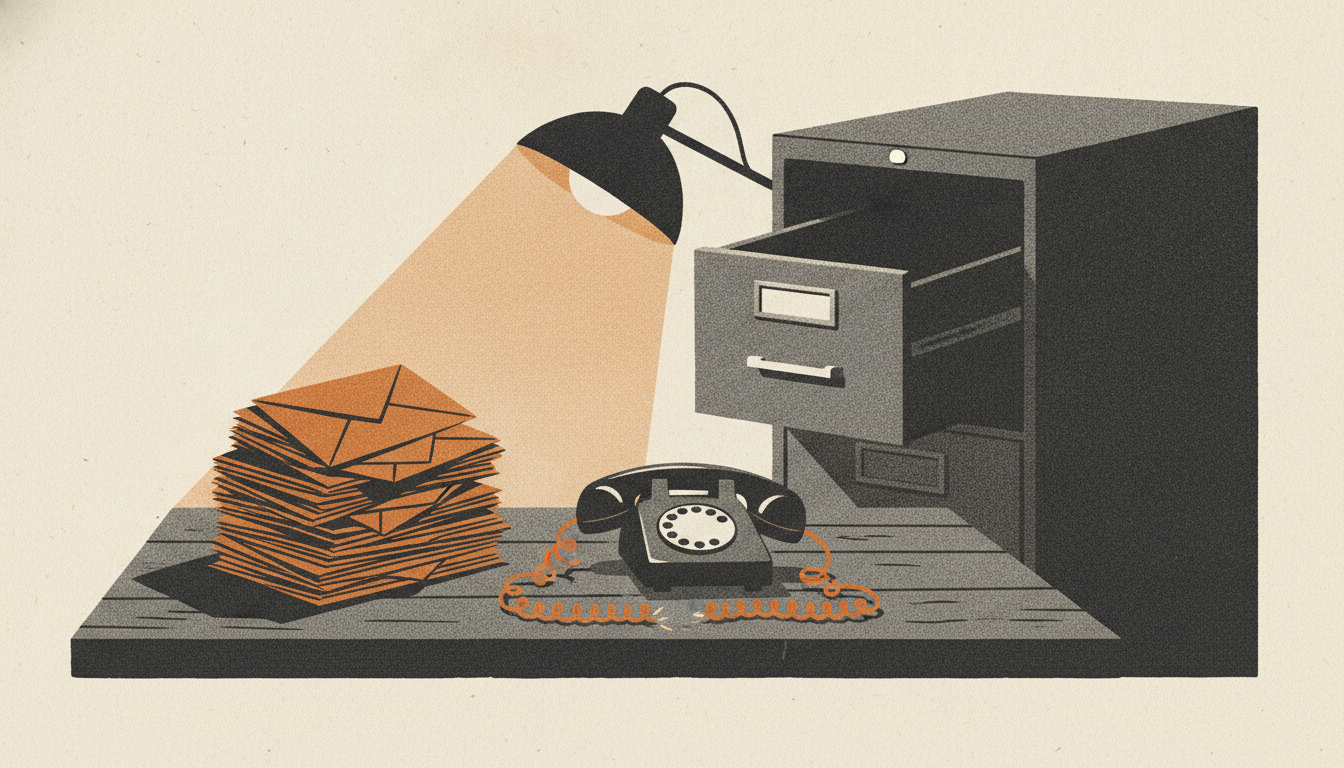
Nobody had called that lender. Not once.
The shop paid about $37,800 before the owner settled all four debts without the company's help. None of that money ever reached a creditor.
This one isn't a composite. It comes straight from a sworn FBI complaint in a federal fraud case that ended in a guilty plea this year.
What the case says
In May 2026, Mark Csantaveri of Morristown, New Jersey, pleaded guilty to conspiracy to commit wire fraud. Federal prosecutors said he and co-conspirators ran MCA Cure LLC, LDMS Group LLC and Evergreen Settlement Group LLC, which sold debt relief to small businesses that had fallen behind (charging document, U.S. Attorney's Office, District of New Jersey).
Two of the websites claimed they had "helped thousands of companies lower their loan payments up to 80%." Prosecutors said the companies took in about $3.7 million, moved about $3 million into the conspirators' own accounts, and spent over $1 million at casinos. In many cases they never even contacted the creditors.
Sentencing was set for September 29, 2026.
A restaurant in the same case paid about $149,400 over two years (FBI criminal complaint). When the owner asked for an update, the email said the lender would have "a solid answer before noon tomorrow." That lender had never been contacted either. The owner finally contacted the lender directly, learned the truth, and settled alone.
The plea is in. The playbook is still out there. Websites, social posts and cold emails still promise to shrink your daily debits, and they land hardest on owners who are already behind. Some firms do real work. The fake ones look almost the same from the outside, so the details below matter.
Red flags
These track the FTC's debt settlement warnings and the DOJ's description of this case:
- They want your payments sent to them, or to an account they control, "while we negotiate." The FTC says a legitimate setup uses an account in your name, run by an independent administrator, that you can withdraw from any time.
- Big fees before a single debt is settled. For consumer debt, the FTC says only scammers collect before they settle anything. Business debt isn't covered by that rule, so you have to ask.
- A promised number before anyone reads your contracts: "up to 80% lower," "pennies on the dollar," 40 to 50% off what you owe.
- They tell you to stop paying or stop talking to your funders, and skip what happens next: late fees, collection calls, a default.
- Updates with no paper. "Going well." "Waiting on their attorney." "Answer by noon tomorrow." Never a written offer from the lender or funder.
- They enroll you fast without reviewing your contracts or bank statements.
What to do
- Before you sign anything, call your funders yourself. Ask if they've heard of the firm. The FTC notes creditors may be willing to negotiate with you, and you can try to settle on your own.
- Get it in writing: total fees in dollars, when each fee is earned, who holds the money, and how you get it back if nothing settles. If they won't write it down, walk.
- Never send your payments to the firm's own account. If money has to be set aside, it should sit in an account in your name that you can pull from any time.
- Already in a program? Ask for written proof of every contact: dates, names, offers. Then call each funder and confirm. That one check is how the restaurant owner found out.
- If you've been taken, call your bank, talk to a business-debt attorney, and report it at ReportFraud.FTC.gov, to your state attorney general (find yours at naag.org), and to the FBI at ic3.gov. Since May 2024, the FTC's Telemarketing Sales Rule also bans misrepresentations in business-to-business sales calls.
Both owners got out the same way. They dealt with their lenders directly, which was the one job they had paid someone else to do.
A real settlement comes with a letter from your lender, not a text that says "im sure it's a yes."
Sources:
- U.S. Attorney's Office, District of New Jersey, Information in United States v. Csantaveri
- U.S. Attorney's Office, District of New Jersey, Criminal Complaint (Mar. 20, 2024)
- Morristown Minute, Morristown Man Admits Small-Business Debt Relief Fraud Scheme (May 7, 2026)
- FTC, How To Get Out of Debt (debt settlement section)
- FTC, New Protections for Businesses Against Telemarketing Fraud (Mar. 7, 2024)
- FTC, Scams and Your Small Business