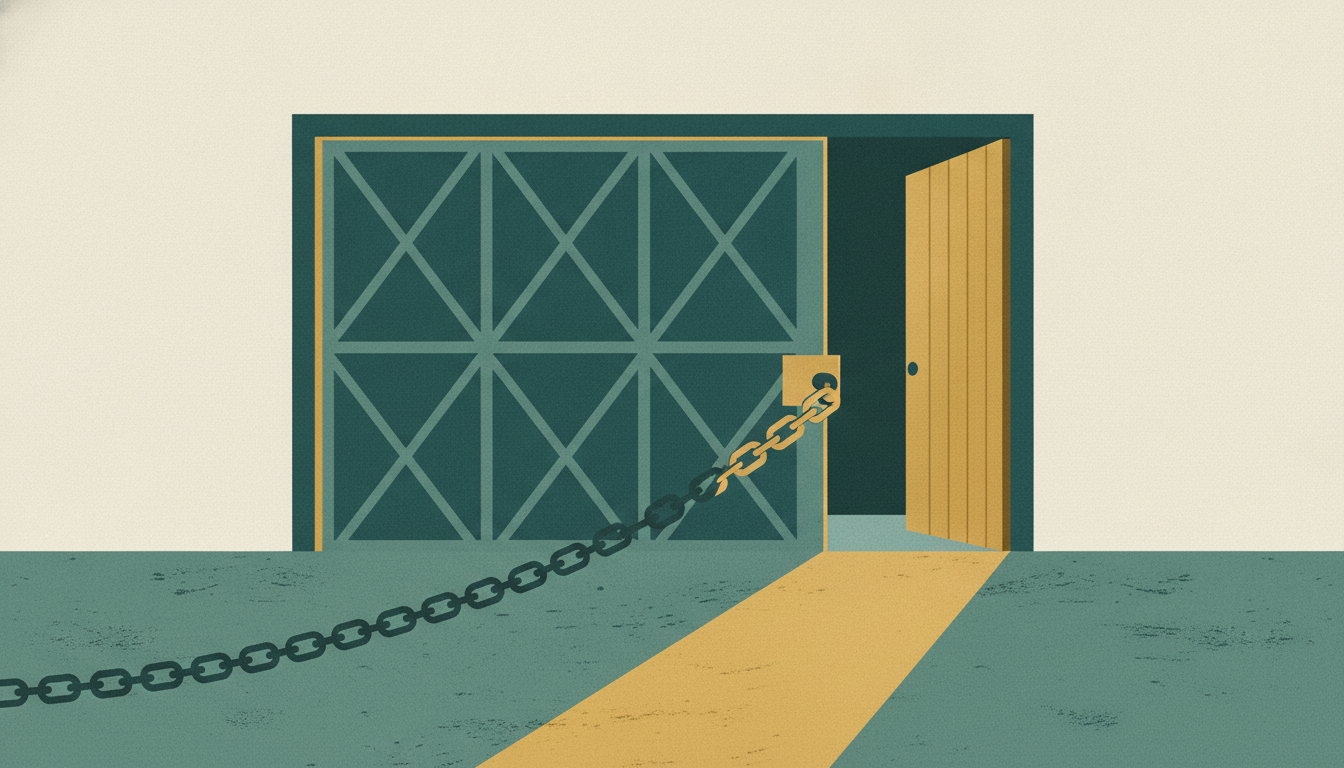
With bad credit, look for lenders that weigh cash flow and collateral, not just your score. That means SBA Microloans, your own bank or credit union, and equipment or invoice financing, and skipping anyone who promises approval no matter what.
General information, not legal or financial advice.
A low score narrows the field. It doesn't close it. What it does is make you a target, because the easiest product to sell someone with a 540 score is also the most expensive one. I spent years watching that happen from the selling side. This page is the other side.
For the full map of funding by situation, see Where to get funding for your small business.
What lenders actually look at
A credit score is one input, not the whole file. SBA tells its lenders they can weigh a business credit score, a personal score or credit history, and also cash flow, equity and collateral. (SBA: 7(a) terms and eligibility)
In practice, a lender with a bad-credit file asks four questions:
- Is cash coming in steadily? Bank statements with regular deposits and few overdrafts can outweigh a weak score.
- Is there something to secure the loan? Equipment, vehicles, receivables or real estate.
- Why is the score low? A medical bill from three years ago reads differently than five open collections.
- How much is already owed? Daily debits from an existing advance are a red flag for any underwriter.
Your options, best first
- Your own bank or credit union. Walk in and ask. It can see your deposit history, which an online lender can't, and a long relationship counts. Ask about a small secured loan or a secured line of credit.
- SBA Microloans. SBA Microloans go up to $50,000 and average about $13,000. They're made by nonprofit community lenders that also offer coaching, and the lender sets the terms. (SBA: Microloans) Rates are capped: on a microloan over $10,000, the lender can charge at most the rate SBA charges that lender, plus 7.75%. (SBA: terms and eligibility)
- An SBA 7(a) Small loan. Your score still matters, but SBA doesn't require collateral on 7(a) loans of $50,000 or less, and for larger 7(a) Small loans a lender can't decline you only because collateral is short. You must be creditworthy and able to repay. (SBA: terms and eligibility) The SBA 7(a) Playbook shows how underwriting reads a file.
- Equipment financing. If you're buying a truck, oven or machine, the equipment secures the loan. That takes some of the weight off your score.
- Invoice financing. If you bill other businesses, you can borrow against unpaid invoices. The lender cares mostly about whether your customers pay.
- A merchant cash advance, last. It'll approve almost anyone with card sales or deposits, and that's the problem. Here's a clearly labeled example: a $20,000 advance at a 1.40 factor rate means paying back $28,000. Spread over 105 business days (about five months), that's a daily debit of about $267, and roughly 170% a year as an APR. Run any offer through our cost of capital calculator and read the advance agreement, clause by clause before you sign.
What to do before you apply
- Pull your credit reports. You can get them free at AnnualCreditReport.com, the source the FTC points to. (FTC: free credit reports)
- Dispute what's wrong. Errors are common, and the FTC explains how to dispute them with the credit bureau and the company that reported them. (FTC: disputing errors)
- Clean up three months of bank statements. Fewer overdrafts and steadier deposits help more than most owners think.
- List every debt with its payment. Lenders will find them anyway. Knowing your own numbers first means no surprises in underwriting.
- Check the company. Look up any lender in our Lender Reviews before you send bank statements.
Red flags when your credit is bad
- "Guaranteed approval." Real lenders can't promise approval before they've seen your file.
- A fee before you get the money. "Insurance," "processing" or "first payment" upfront is how advance-fee scams work. Report them at ReportFraud.FTC.gov.
- Pressure to sign today. A decent offer will still be there tomorrow.
- A grant that requires a fee. A real grant never charges you to receive it. Read how grant fee scams work.
- A second advance to pay off the first. That's stacking, and it's how a hard month turns into a hard year. If you're already behind, read The debit is about to bounce.
Want a second set of eyes?
If you'd like help working out which option fits your credit and your cash flow, apply at MCAFax.
The MCA figures are an illustration with assumed numbers, not a quote. The APR is estimated from the stated payback and daily debit schedule, assuming 21 business days a month and 252 a year. Verify rates and terms with the lender in writing.
Last updated: October 8, 2026. Rules and agency pages in this area change. If something here is out of date, tell us at info@mcafax.com and we will fix it. MCAFax is not a law firm or a lender, and this is not legal or financial advice.
Sources: